
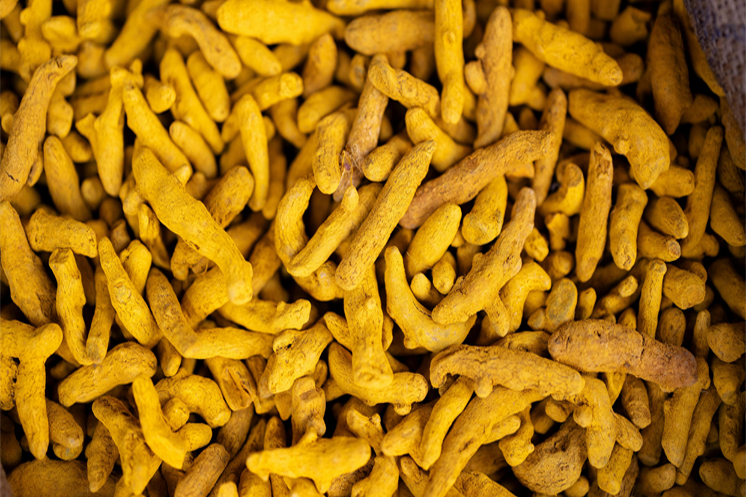
Turmeric, scientifically known as Curcuma longa, is a bright yellow-orange spice that has been used for thousands of years for its culinary, medicinal, and spiritual properties. Native to South Asia, particularly India, turmeric belongs to the ginger family (Zingiberaceae) and is cultivated primarily for its underground stem or rhizome, which is boiled, dried, and ground into a fine powder. Its active compound, curcumin, is renowned for its powerful anti-inflammatory, antioxidant, antimicrobial, and anticancer properties, making turmeric a cornerstone of Ayurvedic, Unani, and Traditional Chinese Medicine systems. Turmeric plays a crucial role in Indian cuisine, not only for its earthy flavor and vibrant color but also for its preservative and digestive qualities. Medicinally, it is used to support joint health, boost immunity, promote liver function, aid digestion, and treat skin conditions, wounds, and infections.
Modern science has validated many of these traditional uses, with ongoing research exploring its role in treating arthritis, Alzheimer’s disease, heart disease, and various types of cancer. However, curcumin’s low natural bioavailability in the body has led to the development of enhanced formulations (such as combining it with black pepper’s piperine) to improve absorption. Beyond health, turmeric is also used in cosmetics, textiles, and religious rituals. In Hindu traditions, turmeric symbolizes purity, fertility, and prosperity, and is used in weddings and sacred ceremonies. India remains the largest producer, consumer, and exporter of turmeric in the world, with major cultivation in states like Andhra Pradesh, Tamil Nadu, Maharashtra, and Odisha. With growing global demand for natural and functional foods, turmeric has emerged as a prominent superfood in the global wellness industry.