
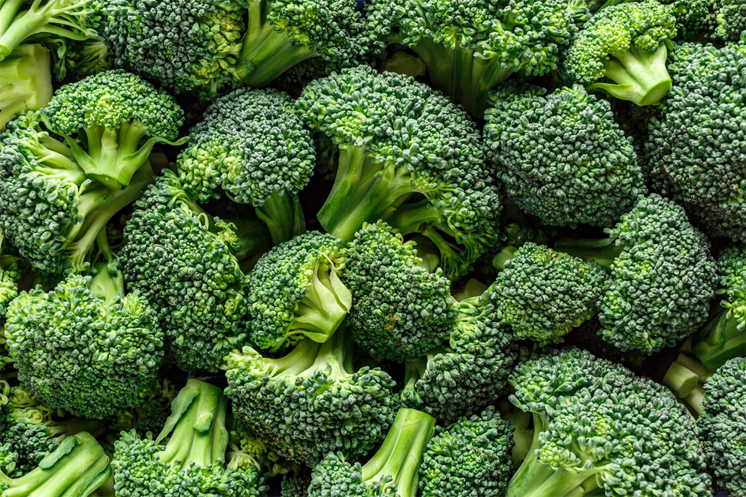
Broccoli (Brassica oleracea var. italica) is a highly nutritious green vegetable belonging to the cruciferous family, which also includes cauliflower, cabbage, kale, and Brussels sprouts. Originating from the Mediterranean region, particularly Italy, broccoli has been cultivated for over 2,000 years and is now a popular vegetable worldwide, valued for both its health benefits and culinary versatility. The edible part of the plant is the dense green flower head, along with the stalk and, to some extent, the leaves. Broccoli thrives in cool climates and is commonly grown in countries like China, India, the United States, and Italy.
Rich in vitamins C, K, and A, folate, fiber, calcium, and potassium, broccoli is also one of the best sources of plant-based antioxidants, including sulforaphane, glucosinolates, and flavonoids, which are known for their anticancer, anti-inflammatory, and detoxifying effects. Regular consumption of broccoli is associated with a lower risk of chronic diseases, such as heart disease, certain types of cancer (especially colon and breast), diabetes, and age-related eye disorders. Its high fiber content promotes digestive health, while compounds like sulforaphane may support liver detoxification and hormone balance.