
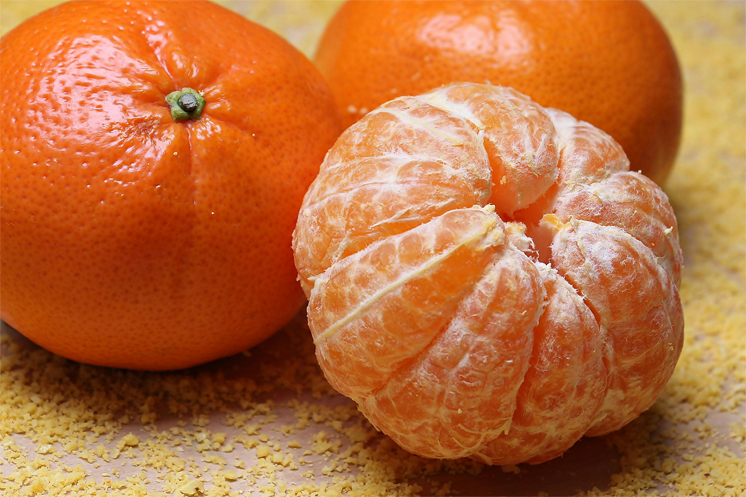
Oranges (Citrus × sinensis) are among the most widely cultivated and consumed fruits in the world, known for their bright color, sweet-tart flavor, and high vitamin C content. Belonging to the Rutaceae family, oranges are believed to have originated in Southeast Asia, particularly in the regions of southern China and northern India, through ancient hybridization between pomelo (Citrus maxima) and mandarin (Citrus reticulata). They are classified as a type of hesperidium, a citrus fruit with a leathery rind and segmented, juicy interior. Oranges are a rich source of antioxidants, especially vitamin C, which supports the immune system, skin health, and iron absorption. They also provide dietary fiber, potassium, and flavonoids like hesperidin, which have anti-inflammatory and heart-protective properties. In addition to their fresh consumption, oranges are widely processed into juice, essential oils, marmalade, and flavorings for culinary and cosmetic uses.
The peel contains aromatic oils used in perfumes and natural cleaners, while the pulp is often used in baking and cooking. Globally, Brazil, the United States (especially Florida and California), India, and China are leading producers. Oranges hold significant cultural value in many regions; in Chinese tradition, they symbolize good luck and prosperity, often exchanged during Lunar New Year. With numerous varieties—including Navel, Valencia, and Blood oranges—each suited for different uses, oranges play a crucial role not only in global agriculture and economy but also in nutrition and culinary traditions around the world.