
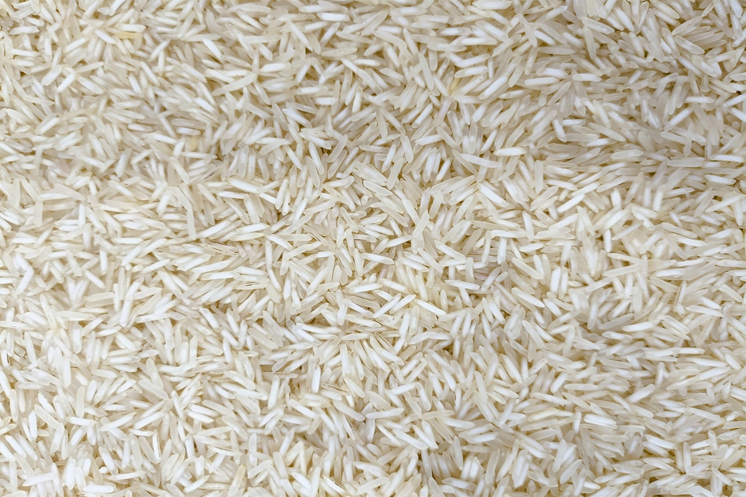
Basmati rice is a long-grain, aromatic rice variety that is primarily grown in the Indian subcontinent, especially in India and Pakistan. The word "Basmati" comes from the Sanskrit word "Vasmati," meaning "fragrant" or "aromatic," which reflects one of its most distinctive features. Basmati rice is renowned for its unique combination of fragrance, flavor, and elongated grain that expands significantly upon cooking without becoming sticky. It is traditionally grown in the fertile plains of the Himalayan foothills, where the unique soil, climate, and water conditions contribute to its exceptional quality. Among the different types of Basmati, aged Basmati rice is highly prized as the aging process enhances its aroma and reduces moisture, making the grains fluffier when cooked.
Rich in carbohydrates and low in fat, Basmati rice is a staple in many South Asian dishes such as biryani, pulao, and pilaf, and has gained global popularity for its delicate texture and distinctive nutty taste. It is also considered healthier than many other rice varieties due to its low to medium glycemic index, making it suitable for people managing blood sugar levels. India is the largest producer and exporter of Basmati rice, and strict geographical indications (GI) regulations protect its authenticity. Premium Basmati rice undergoes a meticulous milling and polishing process to ensure purity, grain length, and aroma, making it a premium product in international markets.