
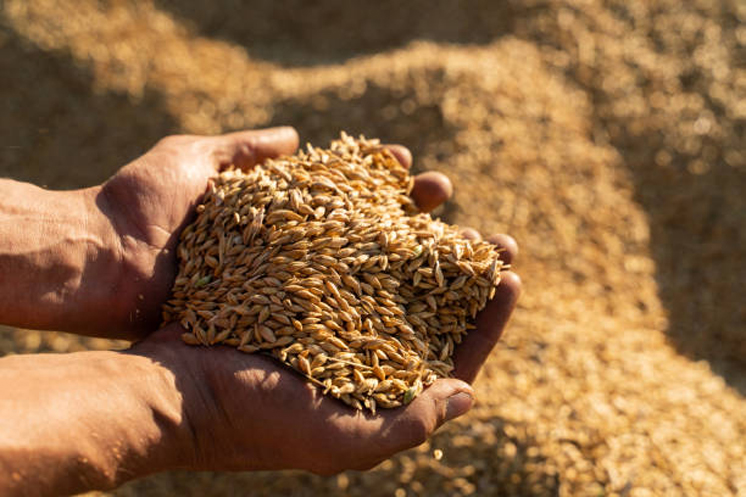
Barley, scientifically known as Hordeum vulgare, is one of the earliest domesticated cereal grains, with evidence of its cultivation dating back over 10,000 years in the Fertile Crescent region of the Middle East. As a member of the Poaceae (grass) family, barley is a highly adaptable and cool-season crop known for its resilience to drought, salinity, and poor soil conditions. It is widely cultivated across temperate regions, with major producers including Russia, Germany, France, Canada, and India. In India, barley is primarily grown in Rabi (winter) season in states like Rajasthan, Uttar Pradesh, Madhya Pradesh, Haryana, and Punjab. Traditionally used as a food grain, animal fodder, and in brewing industries, barley holds both agricultural and industrial significance.
Nutritionally, barley is a rich source of complex carbohydrates, soluble and insoluble fiber (particularly β-glucan), protein, B-complex vitamins, iron, magnesium, zinc, and antioxidants such as lignans and selenium. It is especially valued for its ability to lower cholesterol, regulate blood sugar levels, and support digestive health. Whole grain barley is most beneficial when consumed in its hulled or minimally processed form, while pearled barley, commonly used in soups and stews, has had its outer layers removed, reducing its nutritional content slightly. Due to its high fiber content, especially beta-glucan, barley is linked to improved heart health and weight management.