
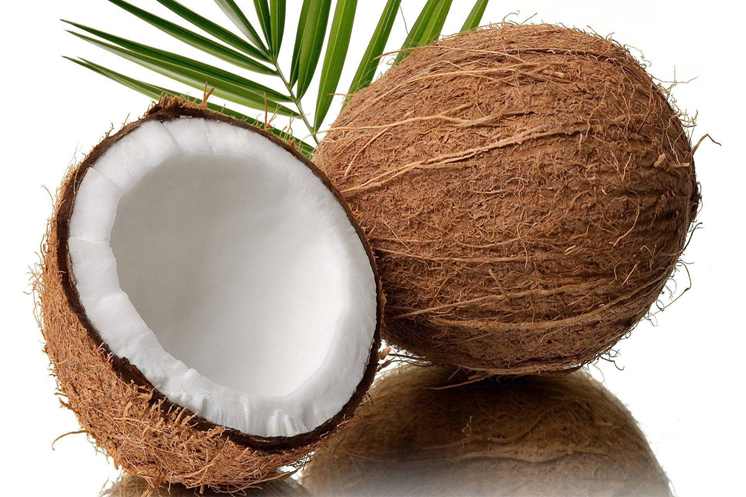
Coconut husk, also known as coir, is the rough, fibrous outer layer that surrounds the hard shell of the coconut fruit. It is a natural, renewable material that has traditionally been considered agricultural waste but has gained significant economic and ecological importance in recent decades. Composed mainly of lignin and cellulose, coconut husk fibers are highly durable, water-resistant, and biodegradable, making them ideal for a wide range of applications. One of the most prominent uses of coir is in the production of ropes, mats, brushes, mattresses, and doormats. In agriculture and horticulture, coconut husk is processed into coco peat (or coir pith), which is a soil conditioner and growing medium with excellent water retention, aeration, and anti-fungal properties, often used in hydroponics and potting mixes.
The coarse fibers are also used in erosion control mats, upholstery padding, and even eco-friendly packaging. In many tropical countries, especially India, Sri Lanka, the Philippines, and Indonesia, coir production is a significant rural industry, providing employment to thousands of people. Additionally, the coconut husk has potential as a biofuel and in making activated carbon. Environmentally, using coconut husk products supports sustainability by reducing plastic use and recycling agricultural waste. Its growing global demand reflects a shift toward natural and eco-conscious materials in various industries.